Talkin’ Nerdy: That’s MY Line!

Remember the Powerpuff Girls short “Schoolhouse Rocked”? That was the one where a truant officer named Mr. Wednesday (an obvious parody of Joe Friday from Dragnet voiced by Gregg Berger) shanghais the Gang Green Gang and places them in Pokey Oaks Kindergarten, the classroom of the Powerpuff Girls, and things go as well as you’d expect. At the end of the short, when Wednesday collects the beaten up Gang at the end of the day, Miss Keane beans Wednesday with a dodge ball, and tells the triumphant Girls that Mr. Wednesday has taught them all a valuable lesson. Bubbles says this:

POWERPUFF_GIRLS_DISC_2A-6

To which Miss Keane replies “No, never turn your back in a dodge ball game!” Cue end-of-episode cartoon laughter.

A funny short, but that line about education didn’t quite work for me. Not the line itself, but who delivered it. Why was Bubbles given that line? It was funny, but it was way too intellectual a thing for Bubbles to say. Blossom is the smart one, the academically advanced one; she should have said that. The writers only gave that line to Bubbles because Bubbles is the fan favorite character. I know this comes off as sour grapes because Blossom is my personal favorite Powerpuff Girl, but it’s not that (well, not entirely); the line just seemed out of character for Bubbles and it seemed like she only got the line due to her popularity with fans and nothing else.

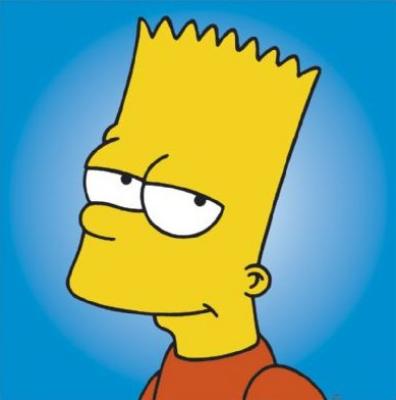
I’ve seen this happen elsewhere: when then President George H.W. Bush gave his now infamous speech about how Americans needed to be “more like The Waltons and less like The Simpsons“, the Simpsons writers naturally responded to this in-episode; they showed the family watching the Bush speech on TV and had Bart say:

“Hey, we’re just like the Waltons. We’re praying for the end of the Depression too.”

Again, a good clever line, but once again it was too clever for a character like Bart to say. To me, that seemed like the perfect Lisa line. She’s the smart one. But Lisa could never crack wise, oh no no no. It’s gotta be Bart, ’cause he’s the one who was adorning T-shirts and bumper stickers all across America.

Yet another example of this occurred during Bugs Bunny’s 50th birthday. Warner Brothers came out with a commemorative magazine celebrating the occasion which featured other cartoon characters paying tribute to Bugs. One of Matt Groening’s contributions was a drawing of the Simpsons all holding up a banner reading “HAPPY 50TH BIRTHDAY, BUGS!” with Bart adding the pithy comment, “Do you know how much that is in bunny years?” Again, a clever quip, but again, too smart for Bart. I doubt realistically that Bart even knows how much that is in bunny years. That also seemed more appropriate for Lisa to say; even during the characters’ tenure in the Tracey Ullman Show shorts, when both characters were more or less equally bratty, it was always implied that Lisa was the smarter of the two; but by this time the nation was in the grips of Bart-Mania, so he got to say all the clever lines, whether they were suited for him or not.

I guess it’s true what they say:

“There’s no ‘i’ in ‘team’, but there’s 4 ‘i”s in ‘Obvious fan favorite is obvious’.

Talkin’ Nerdy: Shoes Made of Candy

Today’s Talkin’ Nerdy is a rebuttal to a recent article in The Huffington Post by one Joni Edelman, a self-proclaimed “Feminist, body positive, wife, mom of five, Editor In Chief at ravishly.com, (sometimes) and RN”, regarding Disney/Pixar’s feature Inside Out. I’m not going to critique the entirely of Ms. Edelman’s article, which can be found here; I’ll leave that to the rest of Cyber Land, however there are a few key points she made that I feel I must address.

The basic nob of Ms. Edelman’s gist is that she’s more or less slamming Inside Out and refusing to go see it due to what she considers to be “sexism” and “failing at body positivity”. I quote:

“I had no plans on seeing it, really, but now that I’ve read about it and a had a friend confirm my suspicions, I will for sure not ever be seeing it.

No.

Like any good feminist, I object to parts of Snow White (um, Prince rescuing her with a kiss? No). And The Little Mermaid (uh, have fins? Switch for legs? For a man? No). And like any good body-positivity activist, I question why I can’t even take my kids to a movie, for flip’s sake (not that I would, but we’re speaking hypothetically here) without a collective sigh and a real, genuine head shake/eye roll.

I can’t write with any real authority about Inside Out, because I haven’t see the movie, but I’m pretty much 100% positive that seeing the movie isn’t required to make this judgment. Because here’s the thing about movies: They are made of pictures. And visual memory is most reliable than auditory or tactile. That’s right, folks, we remember what we see.”

-Soapboxy-rant articles backed by zero credibility or factual evidence . Fun, fun, fun.

The first interesting thing she says is this:

“Well, the movie is a look inside the mind of an 11-year-old girl named Riley. I’m not sure what we’d expect to see in there, aside from One Direction and the remnants of some forsaken Barbies that now find themselves stored under the bed.”

M’kay. I find it interesting that someone who describes herself as and prides herself on being a feminist and has no problem throwing stones at what she considers to be sexism in popular media is stereotyping her own gender by implying that all 11-year-old girls only care about Barbie dolls and boy bands. That’s kind of an “Open Mouth, Insert Foot” moment there.

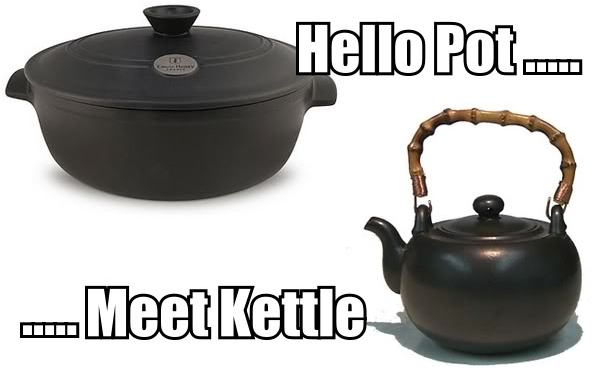
Pot Kettle

The second interesting little tidbit is the following:

“Except here’s the problem: What’s apparently in Riley’s mind is a tall, lithe, human-looking girl with a pixie cut named Joy, obviously. Her counterpoint is a short, chunky, sad-and-blue… person (I presume) with an emo haircut, named — you guessed it — Sad.

Sad (the feeling) is often associated with the color blue. Red is often associated with anger, etc. That I get. I don’t get how that happened, and I’m not going to go searching because it’s not that important to my point. Blue is also associated with boys. Which also makes no sense. At all.

Color aside… why is she short? Why does she have emo hair? Why is she wearing glasses? Why does she have to wear a turtleneck? Why is she fat, for frack’s sake?

In fact, why have any of these characteristics been assigned to her?

Well. Probably because someone at Pixar thinks fat people are sad. Because they are fat. And how could they be fat and smile? Fat people have some nerve. Also, their poor vision is apparently causing them some distress. Joy doesn’t wear glasses. She probably had Lasik. Because she is probably also rich. Rich, white (well, white-ish) people are also joyous. And she gets to wear a cute little dress, which she probably bought at Nordstrom, while Sad is shrouded in what is probably an itchy-ass thrifted wool sweater. Maybe that’s why she’s named Sad.

I don’t even like turtlenecks.

Don’t get all “Oh, she’s a grouchy fat lady,” on me. This is real.”

How About No

Like, wow, man. You didn’t just miss the point, you drove right past the point and crashed headlong into a completely separate turnpike.

Let’s a take a moment to examine the character designs of each of the movie’s emotional protagonists, shall we?

According to Pixar, Joy was modeled after a star: slim, pointy and bright. She even glows. This is because she's the star of Riley's head and the leader of her emotions. her look has nothing to do with her being rich or whatever. She's a freaking EMOTION. They all reside together inside a kid's head.

According to Pixar, Joy was modeled after a star: shiny, yellow, slim, pointy and bright. She even glows. This is because she’s the star of Riley’s head and the leader of her emotions. Her look has nothing to do with her being rich or having Lasik or whatever. She’s a freaking EMOTION. They all reside together inside a kid’s head. Emotions don’t get paid.

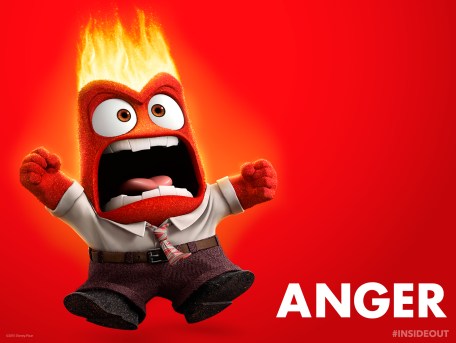
Anger

Anger is modeled after a brick: short, red and blunt. And obviously red is the color commonly associated with rage.

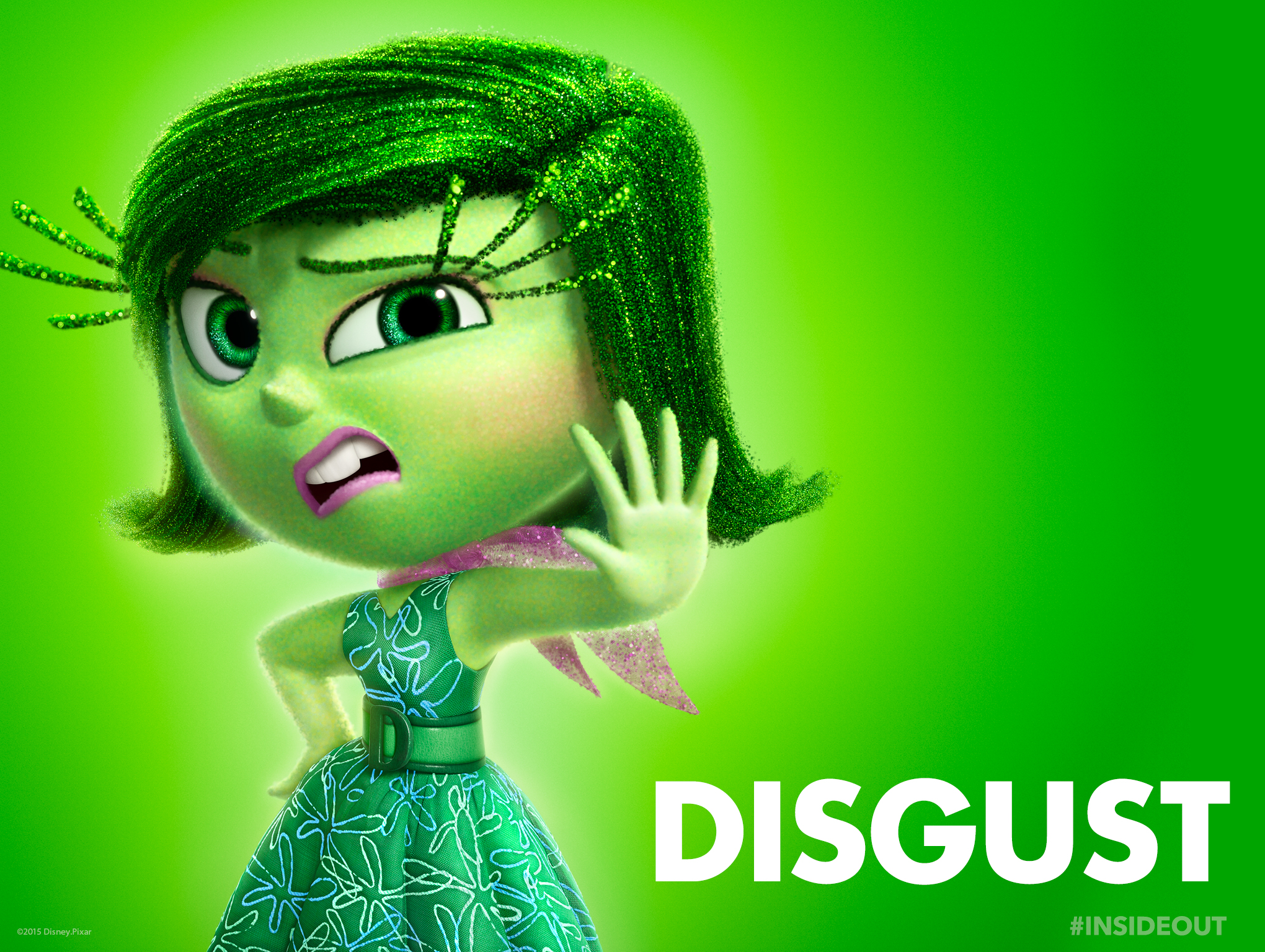
Disgust is prominently colored green because it's the color broccoli, which many kids and ironically even Disgust herself, finds disgusting.

Disgust is prominently colored green because it’s the color of broccoli, which many kids and ironically even Disgust herself, finds disgusting.

Fear's design is made to resemble a frayed nerve, tying into his Nervous Norvus persona.

Fear’s design is made to resemble a frayed nerve, tying into his Nervous Norvus persona.

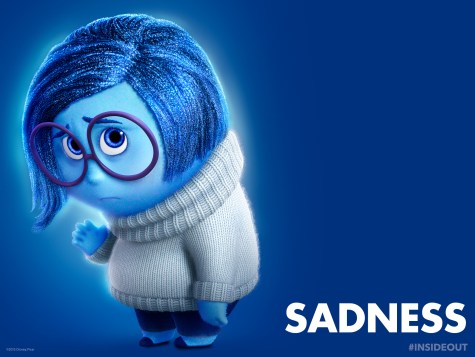
And finally, we come to Sadness (BTW, Ms. Edelman, her character name is Sadness, not Sad. If you’re going to rant about stuff like this, at least try to get the facts straight). You ask “Why is Sadness short and fat? Why does she have emo hair? Why does she wear a turtleneck?” Here’s your answer:

Sadness

It’s because she’s supposed to resemble a teardrop. Yes, a teardrop. Pretty simple to understand, really.

Honestly, why are you expecting the personification of freaking SADNESS to look like a sexy supermodel? Her being colored blue has NOTHING WHATSOEVER to do with association with boys; she’s blue because blue is often associated with sadness (as in “I’m feeling blue”, ever heard that?). Colors can mean more than one thing, you know. In the case of all of the emotions, their forms accord with their functions and roles within Riley’s mind. Sadness’ glasses are most likely a nod to actress Phyllis Smith, who voices the character, but I’m guessing you don’t know who that is; you probably refuse to watch The Office because the women on the show don’t make as much as the men. And let me clue you in on a little something, you might want to sit down for this one: how Sadness looks has no bearing on how she functions as a character. The character you described as being “fat, poor and emo looking” is in fact one of THE stars of the film and a very integral part of how things work (and ultimately work out) in Riley’s head. The message of the film is that ALL emotions are important and needed for us to grow and survive as people, even the negative ones. The other emotions initially try to keep Sadness away from the control center because Joy makes it her mission to keep Riley happy all the time, only for them all to realize that humans can’t be happy all the time, that Sadness is just as necessary to deal with some situations as the other emotions are. And getting back to Riley for a second, she is NOT obsessed with boy bands and Barbie; she likes to play hockey and goof around. The reason she’s so conflicted in the film is bcause her family is transplanted from Minnesota to San Francisco and she misses her old home and friends. It has nothing to with dolls or boys. It has to do with growing up and accepting life changes. This is something you would know if you had actually bothered to go see the damn movie!

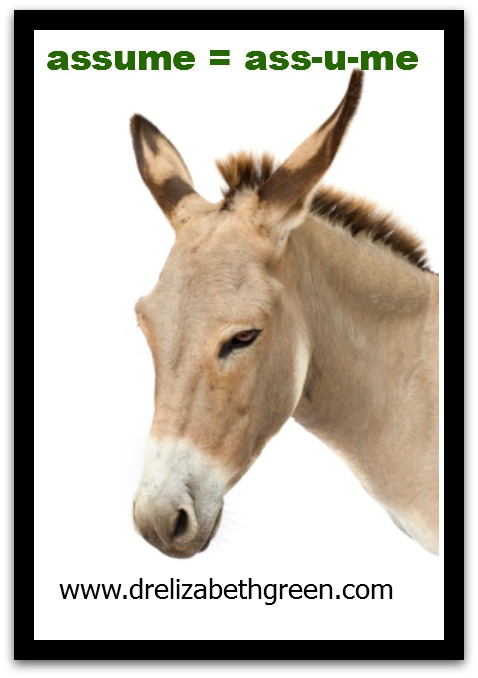
Sorry to get so fired up, folks, but I have a low tolerance for ignorance and this article was just so misguided. This lady shoves her foot in her mouth so much I swear she must wear shoes made of candy. I’m just as opposed to sexism in media as Ms. Edelman claims to be, but Inside Out is NOT sexist. By decrying the movie so harshly without having even seen it, she is almost literally judging a book by its’ cover. Ms. Edelman is making a ton of pat assumptions based on half-projected biases and pre-conceptions, and we all know what happens when you ASSUME….

Heh-heh. Now here's Roy.

Heh-heh. Now here’s Roy.

Talkin’ Nerdy: Our Problem with Princesses

You know what’s been grinding our collective gears lately?

This video.

Really, Mattel? Even when you toss Barbie into the world of Capes, you still have to work the princess angle in there? Geez. Once, just once, I’d like to see Mattel do a Barbie ‘role-playing’ video which doesn’t in any way involve princesses. This is their dumbest idea since The Princess and the Pop Star.

Folks, both titular characters can’t have cake lives! One of them has to be poor! If both lead characters are rich and adored, it doesn’t work! Way to completely miss the point of Mark Twain’s book.

We’re going to let you all in on something regarding Twilight Sparkle on My Little Pony: Friendship is Magic. This could be a tad shocking, so you might want to sit down for this. Ready? Here it is.

We liked Twilight Sparkle more before she was made into an alicorn princess! There, we said it.

Why? Because when FiM started, Twilight was cooler. She was smart. She was a voracious reader. She didn’t have many friends. She was anti-social. She was an introvert. Twilight was the first nerd pony, and she was great. Sure, we can understand it if the shows’ writers wanted to reward Twilight for everything that she’s done for Ponyville in the last 3 seasons (in the episode “Winter Wrap-Up” she wowed everyone with her mad organizational skills), and even though she could been made into a scientist or a public official, or possibly even a wizard, but no, because Twilight is a girl, the writers have to go the predictable route and make her a smegging princess! We loved Twilight because she was a girls’ show protagonist who had brains, skills and talent in her own right and for not being yet another frou-frou princess, so what do the show’s producer do to her after 4 seasons??

They make her yet another frou-frou princess. Whoop-de-freakin’-doo.

“Thanks for the sour persimmons, cousin!”

Look folks, we don’t have anything against princesses. They can be entertaining sometimes, we do enjoy the odd Sofia the First episode every now and then, but come on; there are so many other interesting things you can do with girl characters besides just making them princesses all the frelling time. The Disney studio, for example, seems to be hell-bent on making every female character a princess.

“Resistance is futile. You will be assimilated.”

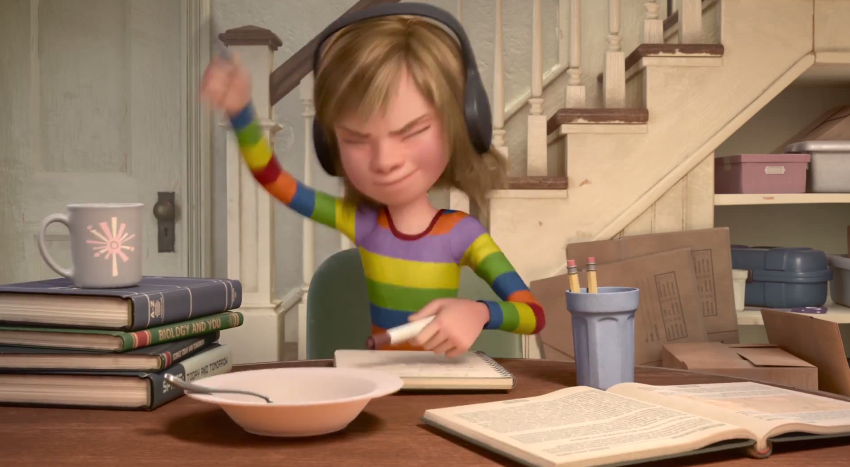
Which is why special mention should go to Disney/Pixar’s Inside Out for its’ protagonist, Riley Anderson.
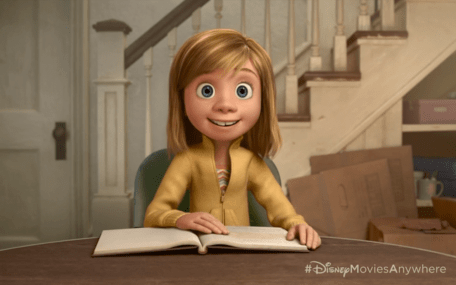
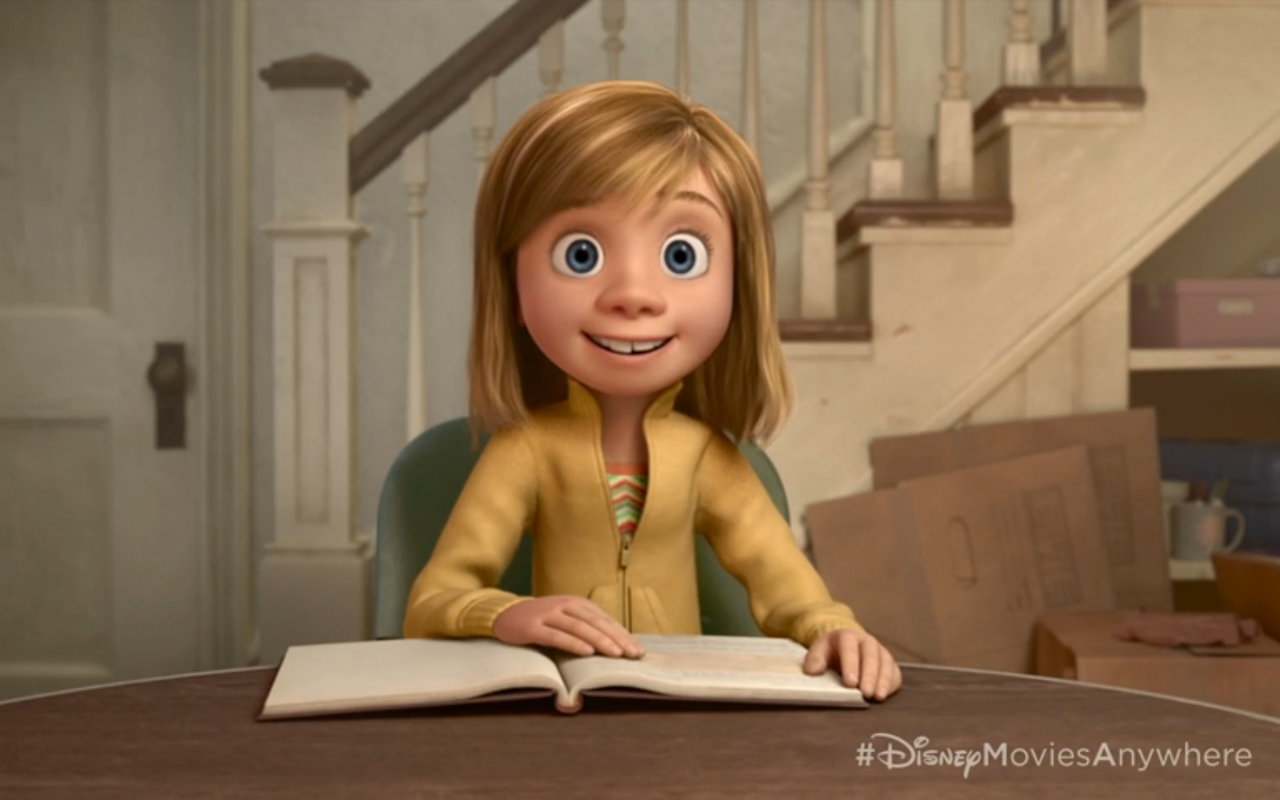
The imperfect front teeth are part of her appeal, if you ask us.

The imperfect front teeth are part of her appeal, if you ask us.

Not only is Riley a girl (gasp!), but she’s NOT a princess. (Double gasp!) Not only that, but Riley is fond of playing hockey (!), acting like a goofball (!) and has 2 parents, a father and yes, a mother, who’s not straight-up dead (!!). Are we sure this is a DISNEY movie?? Sure, Pixar could’ve made Riley a boy and she could’ve possesses these same traits, but we’re personally glad they didn’t. Seeing a girl character possess these particular traits is nice change of pace from the norm. Furthermore, 3 of Riley’s main emotions (2 of which are the principle characters of the movie) are also female.

You have Joy, who's cheery, perky and happy, Sadness, who's a chubby sad-sack, and Disgust, who's haughty, finicky and green. But not a princess in the lot.

You have Joy, who’s cheery, perky and happy, Sadness, who’s a chubby sad-sack, and Disgust, who’s haughty, finicky and green. But not a princess in the lot.

So in a way, Pixar did a “girl power”  story in the best way possible: by just showing females as actual characters and not making a big deal out of it. It almost makes up for the trainwreck that was Brave…almost.
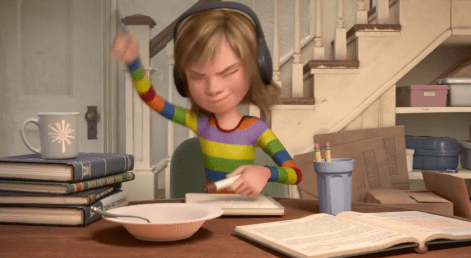
Rock on, Riley!

Rock on, Riley!

It’s for this reason we have to give props to Gretchen Grundler from Disney’s Recess and to the Test Twins from Johnny Test. For once we have some girls who take an interest in STEM, thus proving that girl nerds do indeed exist.

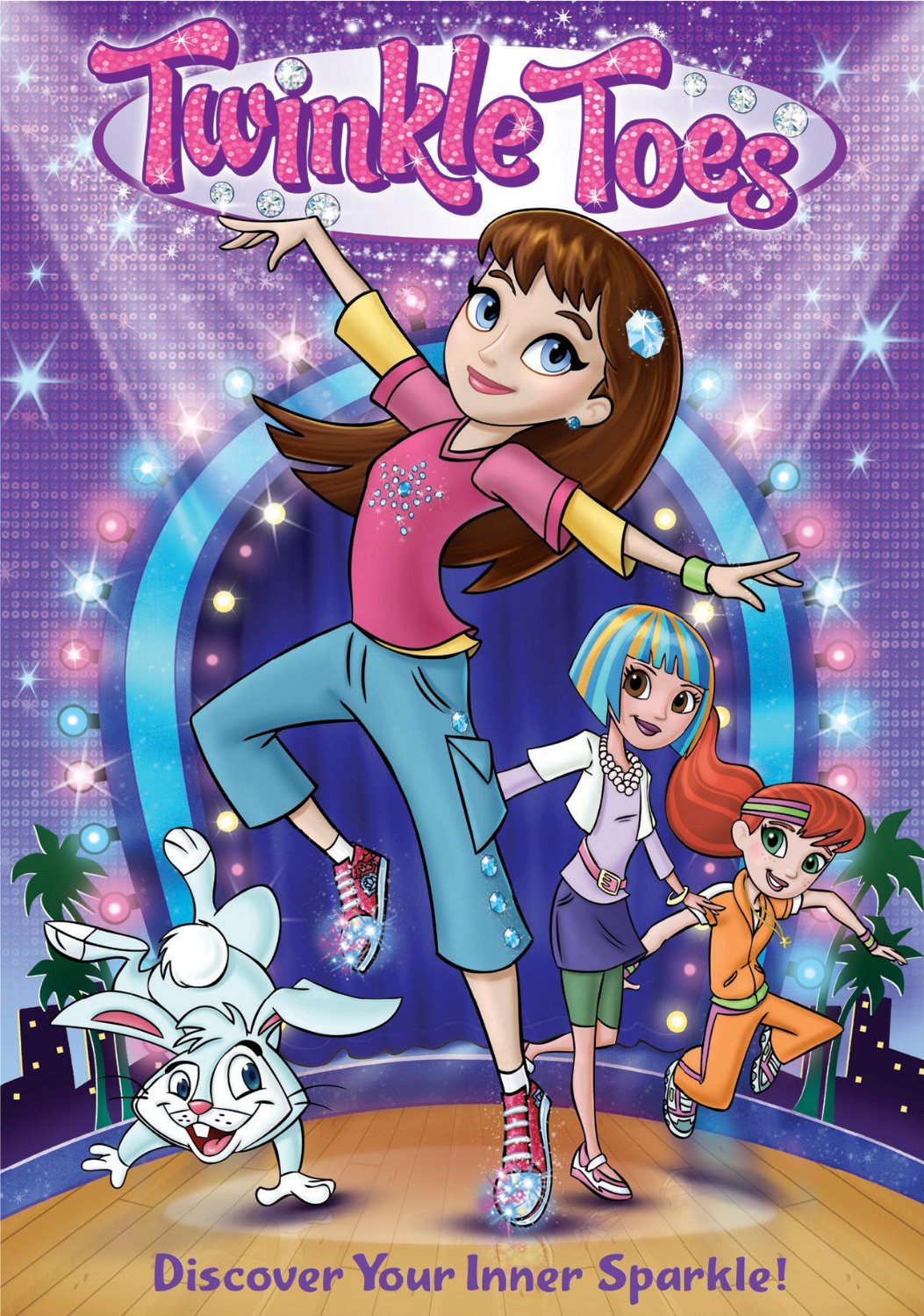
On the subject of girl mascots who aren’t princesses, we should probably give honorable mention to the Skechers mascot characters, who each have other character shticks aside from being princesses:
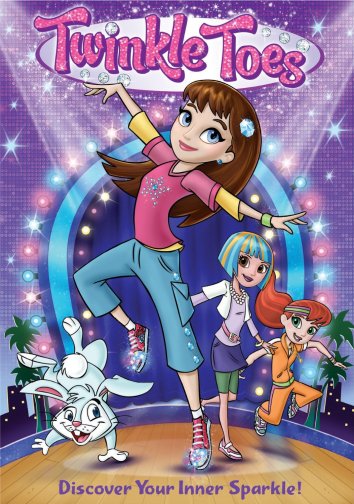
You have Twinkle Toes, who's into dancing, Sporty Shorty, who's into sports (obviously!), and Pretty Tall, who's..well, pretty tall. That's self explanatory. They did have 1 princess character, Punkie Rose, but she didn't last long. My guess is she was canned for looking too much like Dora the Explorer.

You have Twinkle Toes, who’s into dancing, Sporty Shorty, who’s into sports (obviously!), and Pretty Tall, who’s..well, pretty tall. That’s self explanatory. They did have 1 princess character, Punkie Rose, but she didn’t last long. My guess is she was canned for looking too much like Dora the Explorer.

It’s not like us to do a whole lot of gushing over My Little Pony: Friendship is Magic, but we will say this: the glaring Princess goof with Twilight Sparkle aside, the show does deserve some credit for portraying a wide variety female personality types. Yeah, they do have one fashionista character obsessed with clothes and fashion, but they have other types as well.

On the subject of MLP, this question concerns the fellas: we all know that there are Bronies roaming the Earth…

“Ponies, Ponies, Ponies, PONIES!!”

…They’re not hiding. So why can’t a boy bring a MLP backpack to school without everybody going nuts? Going back to Skechers for a second, why are their girl mascots cute, big-eyed girls who like to do various things, but the boy Skechers mascots are all superheroes? Why can’t male characters being into other things besides saving the world or kicking ass? Why can’t boys be into soft and cute? Why can’t boys like pink?

“Dude, pink is awesome! I wear it everyday!”

All too often, when spotting a guy wearing pink or a rainbow shirt or something similar, the common reaction is this:

“Hey, that guy’s wearing pink! He’s not pounding his chest or crushing cans over his head! He must really be secure in his masculinity, since he doesn’t feel like he has to do a lot of macho posturing. He’s making me feel kind of shallow and inadequate. GET HIM!!!”

It’s the common ideology for men and boys to be the jocks, the ass kickers and the noise makers, and that’s perfectly fine if that’s how you roll, but to paraphrase what we said earlier regarding princesses: we don’t want to see macho jocks disappear from the planet entirely (well, not all of them, anyway), but it would be nice see something else once in a while. Possessing a Y chromosome doesn’t automatically make you a viking.

We’ll let y’all in on something: as kids, we were kind of..well, weird. Shocker. We were indoor kids, artists and aspiring comics who spent our younger days not giving a crap about sports or cars or anything else our gender was supposed to care about. For years the only kinds of shows or movies that could hold our interest were comedies and cartoons. It would just be nice to see someone like yourself on the screen once in a while. Again, the ass-kickers of the world have their place too, but they’re not the only types out there. Nothing wrong with superheroes and action stars, but where are the budding artists, the music enthusiasts, the aspiring comedians, the acrobats, the chefs and the scientists? A Dexter or a Jimmy Neutron or a Phineas and Ferb or a Milo Kamalani comes along once in a while, but they’re few and far between.

Hey, we like to create, express ourselves and make our own most awesome websites too. Where's our avatar?

Hey, we like to create, express ourselves and make our own most awesome websites too. Where’s our avatar?
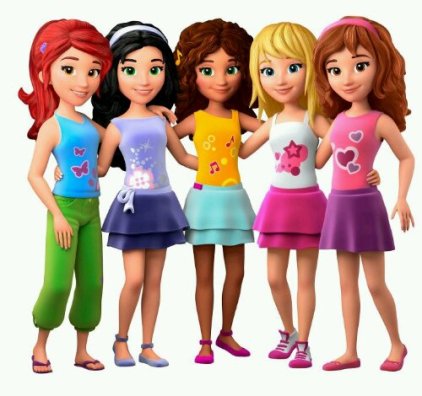
Sometimes we'd like to wear neato shirts with our own personalized symbols on too, ya know.

Sometimes we’d like to wear neato shirts with our own personalized symbols on them too, ya know.

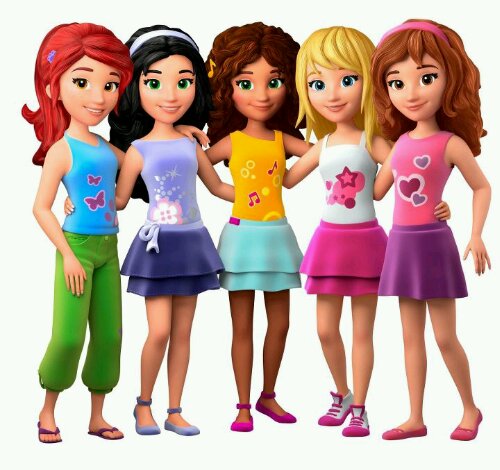
Well, one of the Lego ELVES is a boy, and he seems kind of cool and not some stereotypical macho meat head. So there’s that.

Speaking of magic users, what’s the deal with Winx Club? They have a school for fairies and a school for witches, but all of the alumni in each are girls. Sure, they have a school for Specialists (as in heroes, not surgeons) who are guys, which again, is kind of cool, but comparing heroes with light swords to freaking magic is like comparing a stick of gum to a 7-layer chocolate fudge cake. Where do the young wizards and warlocks go to school in the Winx universe? Hogwarts?

We’re just saying that a little more diversity in pop-culture would be nice. Here’s a thought: instead of dividing the toy sections of stores into the labels of “boys’ toys” and “girls’ toys”, we could start labeling them “soft toys” and “hard toys”. That way the girls who like laser blasting robots and the boys who like starlight spewing unicorns won’t feel like weirdos. We could make a start to look beyond the stereotypes and just view people as people.

“Dirty tree-huggin’ hippies!”

We like it as an ideal, anyway.

Talkin’ Nerdy: The Hanna-Barbera Zoo’s Big Three

Hey, I’ve noticed something about Hanna-Barbera’s roster of 1960’s ‘funny animal’ characters (hereinafter referred to as the Hanna-Barbera Zoo): Nearly all of them seemed be derived from 1 or more of the same 3 basic archetypes. You have your Big Three of:

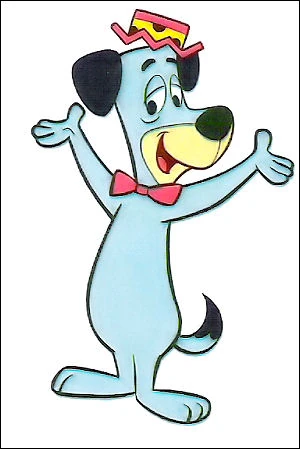
Huckleberry Hound

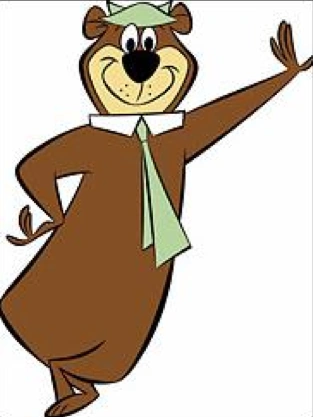
Yogi Bear

Quick_Draw_McGraw

…And Quick Draw McGraw.

…And then you have the others.

Hey, kids. Did you spot Waldo?

It’s no secret by now that HB liked to repeat successful formulas, and so I theorize that just about all of HB’s 1960’s output is in some way a derivation of one of those characters’ shorts. They’re either about an animal who appears in a different setting/occupation each time, an animal in a recognizable human sanctuary like a park or a zoo where they make trouble for some human shmuck in charge of them or an animal hero crime fighter who does battle with wacky criminals and is often aided by another animal with the opposite personality who acts as their sidekick.

Now when I first proposed this theory on a message board, someone hit me with this:

“That’s not true! What about Snagglepuss?! He’s not like any of them! He’s the Shakespearean actor of Hanna-Barbera!”

To which I say:

“IRRELEVANT!”

That’s not my point. Like, at all. I’m not talking about individual cast members, personalities or character shticks. Geez, even H-B’s characters aren’t that autonomous. I’m referring specifically to the tones and structures of the shorts themselves. Many of them can be traced to either Huck, Yogi or Quick Draw. Some examples:

  • The aforementioned Snagglepuss is a Huckleberry Hound archetype: a funny animal who appears in a number of various settings in each short doing his usual shtick each time, regardless of how incongruous.
  • Wally Gator is Yogi Bear in a zoo.
  • Ricochet Rabbit is Quick Draw McGraw except here the smaller animal is the leader and the taller one is the sidekick. Also, the leader here is competent and the sidekick dim-witted rather than the reverse like on Quick Draw.
  • Touche Turtle is Quick-Draw in a French period setting.
  • Squiddly Diddly is Yogi Bear in an aquarium.
  • Hokey Wolf is kind of a Yogi/Huck hybrid: a canny taller animal and his short sidekick who scam humans, but in a different setting each time.
  • Breezly and Sneezly are Yogi and Boo-Boo in the Arctic.
  • Magilla Gorilla is Yogi Bear in a pet shop.
  • Snooper and Blabber are Quick Draw and Baba Looey as cat and mouse detectives.
  • Lippy the Lion and Hardy Har Har are basically a luckless Hokey Wolf and Ding-a-Ling, who as previously stated carry traits of both Huck and Yogi.

-Of course, not every HB funny animal toon falls into 1 of these boxes. Pixie & Dixie is a TV version of Tom & Jerry, but with the main characters able to speak and with limited animation. Loopy DeLoop is a character fighting against his stereotype, in this case a do-good wolf trying to undo the myth that all wolves are evil. Winsome Witch follows a similar formula, only with a witch. Yakky Doodle can be traced back to Tom & Jerry, with a recurring character similar to the titular star and the formula of a small animal being protected from a wily predator by a tough animal with a heart of gold who has no reservations about beating the predator’s brains in (see also It’s the Wolf!). Augie Doggie and Doggie Daddy likewise have roots in Tom & Jerry; they’re somewhat more anthropomorphic versions of Spike & Tyke. The Hillbilly Bears are a family of, well, hillbilly bears. (Incidentally, Ma and Pa Rugg were voiced by Jean VanderPyl and Henry Corden respectively, who’d go on to voice Wilma and Fred Flintstone.) Ruff & Reddy was a takeoff of multi-part adventure serials. Yippy, Yappy and Yahooey were 3 hyperactive canine royal guards who shouted their names and crashed into stuff. Dumas is back and we’ve got him!

So while there are exceptions, it’s no secret who had the stroke in the Hanna-Barbera Zoo.

“You heard the man. You jobbers, second-stringers and ham-and-eggers better pay yer respects. WE’RE the top dogs in this pound, an’ doooooon’t you ferget it!”

Talkin’ Nerdy: The Power of Three

Can I ask you all a question?

“You just did.”

OK, here’s another one. Have you ever noticed how the magic number for kids’ cable channels and program blocks always seems to be three?

You have the Holy Trinity of kid-vid cable/satellite channels:

Nickelodeon

 Disney Channel

and Cartoon Network

Every so often, some company or studio tries to turn the Trinity into a Quartet by launching a new kids’ entertainment channel (not including the offshoots of 1 of the existing channels such as Boomerang or Nicktoons), but they never last long and it always reverts back to the original 3. 20th Century Fox tried it with Fox Family, which was launched in 1998, but came to an end in 2001 when the channel was purchased by Disney and was renamed ABC Family. Hasbro and Discovery tried this with The Hub, which was launched in 2010, but came to an end in 2014.

This even seems to be the case with kids’ programming blocks. In the beginning, there were the main broadcast networks, ABC, CBS and NBC (it’s 4 if one counts PBS, but that’s public broadcasting, so I’m not counting it), and each network had it’s own Saturday morning program block. Then the FOX network was launched in 1985 which begat it’s own SatAM block, Fox Kids in 1990, but then NBC dropped out of the Saturday morning race, cancelling it’s all of it’s cartoons in favor of teen oriented programming (TNBC) 2 years later.Then Kids’ WB! was launched in 1995, only for CBS to stop programming it’s own SatAM programming 2 years later.

It seems as though no network, company or studio seems to be able to permanently make the Big 3 into a Big 4 for very long. No matter what, the number always seems to revert to being 3. Could it simply be a case of it being part of some cosmic plan where the number must always be 3?

Or could it be true what was once said that 3 is indeed a magic number?

..or it’s possible that I just don’t have enough to occupy my mind, but still, it’s something to think about.